Best Refurbished Sony Cameras: 9 Top Picks in 2026
Refurbished Sony cameras pull in a very specific kind of buyer: someone who wants Sony’s autofocus magic, strong video features, and familiar E-mount or Cyber-shot handling without paying brand-new money. That mix is hard to ignore. A good refurb can feel like finding a well-kept camera bag in a thrift store, then opening it to discover a serious tool tucked inside. The catch is that the used-market smell test matters more here than with a lot of other gear. Condition, shutter life, battery health, bundle value, and seller trust can make two listings that look similar on paper feel very different in real life.
Many shoppers get tripped up by chasing the biggest sensor or the flashiest spec sheet and forgetting the stuff that actually shapes day-to-day shooting, like autofocus consistency, screen articulation, lens compatibility, and whether the camera fits a walk-around, travel, or vlog setup. Some buyers want a compact point-and-shoot they can slip into a jacket pocket. Others want a full-frame body that can handle weddings, portraits, or video work with that calm, confident Sony tracking. The best refurbished Sony cameras below cover those different needs, and the top overall pick stands out because it hits a sweet spot of modern video tools, dependable autofocus, and creator-friendly handling.
If you are short on time, the comparison table below gives a fast snapshot of the strongest options.
Best Refurbished Sony Cameras Comparison Table
| Product | Best For | Main Strength | Sensor / Zoom |
|---|---|---|---|
| Sony Alpha ZV-E10 | Creators and vloggers | Video-first controls and easy streaming | 24.2MP APS-C |
| Sony Alpha 7 IV | Premium hybrid shooters | All-around pro-level flexibility | 33MP full-frame |
| Sony a7 III Renewed | Full-frame value seekers | Excellent stills and low-light performance | 24.2MP full-frame |
| Sony Alpha a5000 | Budget-friendly beginners | Simple body with compact lens kit | 20.1MP APS-C |
| Sony Alpha a6400 Kit | Fast APS-C all-rounders | Quick autofocus and sharp 4K | 24.2MP APS-C |
| Sony Alpha a6400 Body Renewed | Buyers with existing lenses | Speedy body-only value | 24.2MP APS-C |
| Sony a7 III Kit | Full-frame lens-included buyers | Balanced pro-ready package | 24.2MP full-frame |
| Sony RX100 VII | Travel and pocket shooters | Huge zoom range in a tiny body | 20.1MP 1-inch, 24-200mm |
| Sony ZV-1 Renewed | Compact content creators | Creator-friendly face tracking and exposure | 24-70mm zoom |
For a closer look at how each camera behaves in real use, the reviews below spell out the tradeoffs that matter.
1. Best Overall: Sony Alpha ZV-E10

One reason the ZV-E10 lands at the top is that it feels like Sony actually listened to people filming themselves in kitchens, bedrooms, and packed coffee shops. The 24.2MP APS-C sensor gives you a sharp, flexible image, but the real charm sits in the handling. The Background Defocus button is the kind of thing you press once during a test clip and then keep using all year, especially if you want that creamy separation without poking through menu screens. The Product Showcase mode is another small feature that ends up feeling surprisingly clever when you are talking to camera and holding up a product, sample, or prop.
This kit suits creators who want clean 4K, straightforward live streaming, and a body that does not fight them. Oversampled 4K from 6K readout gives the footage a crisp, polished look, and the single-cable streaming setup is a relief if your desk already looks like a spaghetti bowl of chargers. It is also friendly for beginners who want a camera that can grow with them, because the E-mount lens path opens up a huge upgrade road. If your world involves YouTube, social content, unboxings, or casual interviews, this one has that easy-going, ready-to-go energy that makes shooting feel less like setup and more like a quick grab of the camera bag.
Pros
- Excellent creator-focused video tools, including Product Showcase and Background Defocus
- Sharp oversampled 4K footage with a polished look
- Simple live streaming via USB without extra hardware fuss
- Light, compact body that is easy to carry all day
- Strong entry point into Sony’s E-mount ecosystem
Cons
- Not the strongest choice for action or sports compared with higher-end bodies
- Kit-focused buyers may still want a better lens later
- APS-C does not match full-frame depth and low-light performance
If you want a camera that feels built around modern content creation, this is the one that makes the most immediate sense. It is especially appealing for buyers who care more about good footage and easy operation than about a heavy feature list they will never touch. Photographers can certainly use it too, but the ZV-E10’s personality is undeniably video-first, and that is exactly why it works so well for many shoppers.
To buy this product, click here.
2. Best Premium: Sony Alpha 7 IV

The Alpha 7 IV is the camera that makes a serious photographer or hybrid creator nod a little slower, like, yes, this is the good stuff. The 33MP full-frame sensor gives you room to crop, print, and grade with confidence, while the BIONZ XR engine keeps everything feeling snappy. In practical use, that matters more than it sounds. A wedding shooter moving from ceremony to reception, or a creator filming a mix of talking-head clips and handheld B-roll, gets a body that can keep up without sounding stressed. The 10-bit 4:2:2 recording, 4K 60p support, and advanced movie options make it a rich platform for serious video work.
The autofocus package is a huge part of the appeal. Real-time Eye-AF for humans, animals, and birds means the camera stays alert in situations where a lesser body might wander off and start guessing. That kind of reliability feels fantastic on a long day of shooting, especially if you have been there before, squinting at a screen while the shot slips away. This is the model for buyers who want one camera to cover portraits, events, travel, product video, and everyday stills with very little compromise. It costs more, sure, but the payoff is that it behaves like a Swiss Army knife that actually wants to work hard.
Pros
- Full-frame 33MP sensor delivers strong detail and flexibility
- Excellent video specs for hybrid creators and filmmakers
- Reliable real-time Eye-AF across people, animals, and birds
- Handles stills and video with impressive balance
- Advanced color and exposure tools for serious post-production work
Cons
- Premium pricing puts it out of reach for casual shoppers
- More camera than some beginners truly need
- Best results usually demand better lenses, which adds cost
Buy this if you want the most complete refurbished Sony option in this lineup and you are ready to use it. It shines for hybrid shooters who care about both polished photos and clean video, and it makes a lot of sense for people stepping up from APS-C who do not want to feel boxed in a year later. If your work lives at the crossroads of photo and motion, this one is hard to brush aside.
To buy this product, click here.
3. Best Value Full Frame: Sony a7 III Renewed

The a7 III has one of those reputations that keeps hanging around for a reason. It is the camera people recommend after the hype cycle calms down and the dust settles. The 24.2MP full-frame sensor still feels wonderfully competent, especially if your shooting skews toward portraits, events, indoor work, or general low-light use. Files have a forgiving, professional look, and the 15-stop dynamic range gives you room to rescue highlights and shadows without sweating every exposure choice. That matters when you are working a dim restaurant birthday one night and a bright outdoor family session the next.
Because this is a renewed body, the value angle becomes even more interesting. You are getting one of Sony’s most respected all-round cameras without paying fresh-off-the-shelf pricing. The autofocus system is still very capable, the 10fps burst rate is handy for moving subjects, and the camera’s handling remains familiar and confidence-building. It is the kind of body that a photographer can learn once and keep using for years, which is why it shows up in so many real-world kits. The tradeoff is mostly age. You do not get the newer polish and expanded video tools of the a7 IV, but for buyers who care more about dependable results than a spec-sheet flex, that is easy to forgive.
Pros
- Strong full-frame image quality with great dynamic range
- Still excellent for portraits, events, and low-light shooting
- Renewed pricing improves the value equation
- Fast enough autofocus and burst shooting for many real jobs
- Proven body with a big support ecosystem
Cons
- Older design misses some newer video refinements
- Renewed condition can vary more than new gear
- Not as video-forward as newer Sony bodies
Pick this if you want a mature full-frame camera that is still very capable in 2026 without chasing the newest badge on the shelf. It is especially smart for still photographers who care about dependable image quality and do not need the latest cinema-style extras. If a calm, proven workhorse sounds better than a flashy newcomer, this body deserves a hard look.
To buy this product, click here.
4. Best Budget Starter: Sony Alpha a5000

The a5000 is the sort of camera that quietly lowers the barrier to entry. It is older, yes, but that is also part of why it can make sense for beginners who want a real interchangeable-lens Sony without jumping into a pricey body right away. The 20.1MP APS-C sensor still turns out pleasing images for everyday life, family outings, and travel snapshots. The included 16-50mm OSS lens adds real convenience too, because a newcomer can unpack the box and start shooting without immediately browsing for another lens.
Its charm is in the uncomplicated nature of the whole package. The body is compact, the controls are approachable, and NFC Wi-Fi makes quick smartphone sharing feel painless. Think about a parent snapping school events or a traveler grabbing food-market scenes and wanting to post the shots the same evening. That is the a5000 lane. It does not pretend to be a power user’s dream machine. It is more like the little hatchback that gets you moving reliably and without drama. If you need a basic, low-friction way into Sony mirrorless photography, this is one of the gentlest steps you can take.
Pros
- Affordable entry into Sony interchangeable-lens photography
- Compact body with included zoom lens
- Simple wireless sharing to a phone
- Good image quality for everyday use
- Low learning curve for first-time buyers
Cons
- Older feature set compared with modern Sony bodies
- Video and autofocus are basic by current standards
- Less ideal for buyers who want room to grow quickly
This is a practical buy for someone who wants to spend carefully and start shooting with a real lens system instead of a phone. It makes the most sense for casual photography, family use, and students who care about getting better images without a steep upfront jump. If your needs stay simple, the a5000 can feel pleasantly enough, and that is a nice thing to say about a budget camera.
To buy this product, click here.
5. Best APS-C All-Rounder: Sony Alpha a6400 Kit
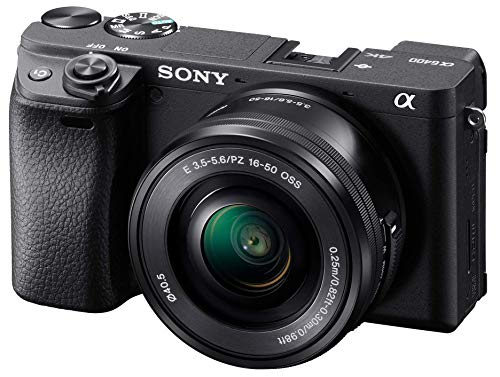
The a6400 kit sits in that very appealing middle zone where the camera feels genuinely capable without turning into a giant commitment. Its 24.2MP APS-C sensor and quick autofocus system make it a strong fit for street shooting, family use, casual video, and travel. The 425 phase-detection and 425 contrast-detection points spread across most of the frame help the camera lock on with a kind of eager precision, which feels great when your subject is a kid running through a park or a friend turning toward the lens at the last second. The included 16-50mm lens makes the package more convenient, too, since you can start using it right away.
For video, the a6400 still punches well. The tilt screen makes framing vlogs and overhead shots much easier, and the camera supports time-lapse plus slow and quick motion options without fuss. That is handy for anyone who likes to move between stills and video in the same afternoon. One shopper might use it for a weekend market walk, then switch to a tabletop product clip at home that night. Another might take it on a short trip and use it for both scenic photos and a few handheld talking segments. It is a nicely balanced body that rewards curiosity without being fussy about it.
Pros
- Fast autofocus and strong subject tracking
- Versatile APS-C image quality for photos and video
- Included lens makes the kit ready for immediate use
- Tilt screen helps with vlogging and creative framing
- Good blend of portability and capability
Cons
- Battery life and accessories may still push some users to buy extras
- Not as cinematic or high-end as newer full-frame models
- Kit lens is practical, but not the sharpest long-term pairing
This is a strong pick for buyers who want one camera to do a bit of everything without drifting into premium pricing. It is especially comfortable for people who shoot people, pets, travel, or casual content and want autofocus that feels snappy in real time. If you want a reliable Sony body with a lot of everyday usefulness, the a6400 kit is a very easy camera to live with.
To buy this product, click here.
6. Best Body-Only Deal: Sony Alpha a6400 Body Renewed

If you already own E-mount lenses, the body-only a6400 becomes a very attractive shortcut. You get the same quick reflexes and strong autofocus platform as the kit version, but without paying for a lens you may not need. That can be a smart move for upgraders, especially people coming from an older Sony mirrorless body who want better tracking and a more responsive shooting experience. The 0.02 second autofocus claim may sound like marketing thunder, but in practice the camera does feel lively and eager, especially with faces, moving subjects, and general point-and-shoot spontaneity.
The renewed angle adds another layer of value, assuming the seller condition checks out. This is the kind of camera that works well for creators who already have a little lens stash and want to put their money into performance rather than duplicated gear. Picture a hobbyist who has a couple of primes already and wants a quicker body for weekend shoots. Or a traveler who wants a second Sony body that is light enough to carry everywhere but good enough to serve as a serious backup. The a6400 body is not the flashiest member of this roundup, but it is one of the most practical if you are building around an existing system.
Pros
- Great value for existing Sony lens owners
- Fast, dependable autofocus for everyday and moving subjects
- Compact body that still feels serious in use
- Renewed pricing can save a meaningful amount
- Solid video tools and flip-up screen
Cons
- No lens included, so new users need to budget extra
- Renewed condition depends heavily on the seller
- Not as feature-rich as newer premium Sony bodies
Choose this if your lens bag already has the basics and you want a camera that improves speed and responsiveness without making you rebuy glass. It is a nice fit for enthusiasts, upgrade seekers, and anyone who values flexibility more than a bundled package. For the right buyer, the body-only format is the cleanest path to a smarter spend.
To buy this product, click here.
7. Best Full-Frame Kit: Sony a7 III Kit

The a7 III kit version makes full-frame shooting feel a bit less intimidating because the included 28-70mm lens gets you moving right away. That matters more than people admit. A lot of buyers dream about a full-frame body, then stall out because they never choose the right first lens. This package removes that friction. The camera itself brings the same 24.2MP BSI full-frame sensor, impressive 15-stop dynamic range, and fast autofocus system that helped make the a7 III a modern classic. It is a balanced, grounded camera that still feels very usable for portraits, events, family sessions, and low-light work.
The kit lens is a practical companion, especially for users who want an all-purpose range before investing in better glass. It is the sort of setup that works for a weekend wedding assistant, a traveler building a first serious kit, or a content creator who wants a full-frame look without constructing a system piece by piece. The a7 III is not the newest kid in the room, but it has one of the strongest reputations for dependable image quality and battery life among Sony buyers. That kind of steady behavior is comforting when you are shooting a ceremony, a school recital, or a long day of city wandering and do not want surprises.
Pros
- Full-frame image quality with a proven track record
- Kit lens makes the package ready to use
- Excellent low-light and dynamic range performance
- Strong autofocus and burst shooting for many real-world subjects
- Good value for buyers who want a lens included
Cons
- Older design compared with the a7 IV
- Kit lens is useful, but not especially exciting
- Video features lag newer Sony options
This one makes sense for buyers who want the full-frame experience and would rather get a complete starter package than hunt for matching glass later. It is especially appealing for still photography and general hybrid use. If you want a mature body that has already earned trust in the field, the a7 III kit remains a very serious contender.
To buy this product, click here.
8. Best Compact Zoom: Sony Cyber-Shot RX100 VII

The RX100 VII has one of the most satisfying contradictions in Sony’s lineup. It is tiny enough to disappear into a jacket pocket, yet it carries a 24-200mm equivalent zoom range that lets you bounce from street scenes to tighter portraits without swapping lenses. That kind of reach can feel almost sneaky during a trip. One minute you are standing under a signboard in a crowded alley, the next you are zoomed in on a faraway detail that your phone would have flattened into mush. The 20.1MP 1-inch sensor and ZEISS lens combination keep the files looking clean and lively for a compact camera.
This is the camera for travelers, active families, and anyone who wants serious zoom power without lugging a larger body. It can also make a lot of sense as a premium carry-everywhere camera when you already own heavier gear but do not want to haul it on every outing. The bundle adds practical extras such as a memory card and spare battery, which can smooth out the early ownership experience. The tradeoff, naturally, is price and compact-camera ergonomics. It is a premium pocket camera, and that means buyers should want the portability first and foremost. If that sounds like your life, it becomes very easy to understand why people keep reaching for this series.
Pros
- Huge zoom range in a truly compact body
- Great travel companion for light packing
- 1-inch sensor delivers solid image quality for the size
- Very flexible for street, family, and vacation shooting
- Bundle extras add convenience out of the box
Cons
- Premium price for a compact camera
- Smaller grip and controls can feel tight for larger hands
- Not a replacement for a larger interchangeable-lens body
Buy this if portability is the whole point. It is one of the easiest cameras in this roundup to carry every day, and that convenience matters a lot when the best camera is the one you actually brought along. Travelers, commuters, and casual shooters who hate bag bulk will get the most out of it.
To buy this product, click here.
9. Best Pocket Vlogging Camera: Sony ZV-1 Renewed

The ZV-1 is the camera that feels like it was built by someone who has sat through one too many awkward self-shooting sessions and decided enough was enough. Its 24-70mm equivalent lens covers a versatile range for talking-head clips, quick travel footage, and close-up content, while the Fast Hybrid AF with Real-Time Eye-AF keeps faces sharp without constant babysitting. Face Priority AE is another small but meaningful touch, especially when you are moving from a bright window to a dim room and want your face to stay readable instead of going muddy and flat.
For renewed buyers, the ZV-1 can be a clever way to get creator-friendly Sony features in a pocketable body. It is especially appealing to solo creators who film themselves, make quick social content, or want a second camera that does not require a bag the size of a suitcase. One creator might use it on a desk stand for product clips, then toss it into a coat pocket for a downtown walk. Another might keep it as an easy B-camera beside a larger system. The key thing is that it removes friction. You grab it, shoot, and move on. That kind of ease can matter more than specs on days when the creative spark is short and the schedule is long.
Pros
- Very friendly for solo creators and vloggers
- Compact enough to carry anywhere
- Fast autofocus and dependable face exposure
- Useful 24-70mm equivalent zoom range
- Great as a lightweight secondary camera
Cons
- Fixed lens means no lens swapping
- Smaller body can feel cramped for some hands
- Renewed purchase depends on seller condition
If your camera life revolves around video diaries, social clips, and quick self-filming, this is one of the smoothest refurb options to own. It is also a good fit for buyers who want the easiest possible setup without sacrificing Sony’s autofocus character. For pocket-sized creator work, it lands in a very sweet spot.
To buy this product, click here.
How To Choose The Right Best Refurbished Sony Cameras
Match The Camera To Your Main Job
The smartest purchase starts with the kind of shooting you do most often. If you are filming yourself, making product demos, or building a YouTube channel, a creator-first body like the ZV-E10 or ZV-1 can feel far more natural than a heavier stills camera. If your weekends are filled with portraits, family events, or low-light indoor work, a full-frame body such as the a7 III or a7 IV gives you more room to breathe. A lot of buyers make the mistake of buying for a hypothetical future project instead of the thing they are actually doing this month.
Think About Sensor Size And The Look You Want
APS-C cameras are lighter, more affordable, and easier to carry around, which is a big deal for travel and casual content. Full-frame cameras give you richer background blur, stronger high-ISO performance, and more flexibility for professional work. Neither is automatically better. The trick is matching the sensor to the style of image you want. A parent shooting school concerts may be happier with a reliable APS-C body than a full-frame setup that feels heavy after ten minutes.
Do Not Ignore The Lens Situation
A refurbished body can look cheap until you realize it needs a lens before it can do anything useful. Kit bundles solve that problem fast, while body-only cameras can be a bargain for people who already own E-mount glass. Interchangeable-lens buyers should think about the first two lenses, not just the camera body. A humble 16-50mm or 28-70mm zoom may be the practical bridge that gets you shooting right away, while a prime lens can sharpen the whole experience later.
Check The Condition Story Behind Refurbished Gear
Refurbished does not all mean the same thing. Some listings come with careful inspection, replacement parts, or solid accessory bundles. Others are more basic. That is why seller reputation, return policy, and included items matter so much. A camera body with a fresh battery and clean accessories feels very different from one that arrives looking like it spent two summers in a glovebox. If the listing does not clearly explain condition, that is a red flag worth respecting.
Look At Autofocus Before Anything Fancy
Sony built a lot of its camera reputation on autofocus that feels fast, sticky, and forgiving. That matters a ton in real life. A child moving across a backyard, a bird hopping through branches, or a speaker turning to the side during a clip can all throw off a weaker system. If your subjects move, prioritize a body with dependable eye tracking and subject detection. The footage and photos feel better because you spend less time fixing missed focus later.
Pick Portability Or Power, Then Stick With That Choice
Some buyers want a camera that lives in a pocket, like the RX100 VII or ZV-1. Others want a body they can use for paid jobs or serious creative work, which points more toward the a7 series. Both paths are valid. The mistake is expecting a tiny camera to behave like a full rig or assuming a big body will somehow become easy to carry after the third outing. Be honest about how often you want to bring the camera along, and let that answer shape the purchase.
Budget For The Little Things That Sneak Up
Battery packs, memory cards, straps, and maybe a better lens can quietly shape the real cost of ownership. A budget body can stop being a budget buy once you add the missing pieces. Refurbished camera shoppers do well when they leave a little room in the budget for those extras. That way, the camera arrives as part of a usable setup instead of a bare box that still needs half its ecosystem.
Best Refurbished Sony Cameras FAQ
Are Refurbished Sony Cameras Worth Buying?
Yes, if you buy from a seller with a clear condition policy and a return window. Sony bodies tend to hold up well, and refurbished options can offer a better value than new gear. The main thing is checking what is included and how the seller handles condition grading.
Should I Choose APS-C Or Full-Frame?
Choose APS-C if you want lighter gear, lower cost, and easier travel use. Choose full-frame if you care about low-light performance, background blur, and a more premium stills or video look. For many casual creators, APS-C is the easier place to start.
Is A Kit Lens Good Enough For A Refurbished Sony Camera?
For many buyers, yes. A kit lens is often the fastest way to start shooting without extra research. It may not be the sharpest or fastest lens available, but it gives you a usable range and helps you learn what kind of glass you really want later.
What Should I Check In A Refurbished Listing?
Look for condition details, included accessories, battery health, return policy, and whether the seller offers any kind of warranty. If the listing is vague about wear or missing items, think twice. Good refurbished listings usually explain what is in the box with some care.
Which Sony Camera Is Best For Vlogging?
The ZV-E10 is the strongest overall vlogging pick here because it offers creator-friendly controls, a compact body, and easy live streaming. The ZV-1 is a strong pocket alternative if you want a fixed-lens camera that can go everywhere without much bulk.
Is The Sony A7 III Still Relevant?
Very much so. The a7 III remains a respected full-frame body because it delivers dependable autofocus, excellent dynamic range, and strong low-light performance. If you do not need the newest video features, it still earns its keep in 2026.
Do Refurbished Cameras Work Well For Beginners?
They can, especially if the camera is simple and the bundle includes a lens. Beginners often benefit from spending less on the body so they can learn without pressure. The a5000 and a6400 kit are both approachable starting points depending on budget and ambition.
What Is The Safest Buying Strategy For A Refurbished Sony Camera?
Start with a camera that matches your real use case, then buy from a seller with strong ratings and a return policy. Avoid impulse buys driven by sensor size alone. A good fit with trustworthy condition details beats a shiny spec sheet every single time.
Final Verdict
The Sony Alpha ZV-E10 is the best overall refurbished Sony camera in this roundup because it hits a rare balance of creator-friendly features, solid image quality, and easy day-to-day handling. It feels built for modern shooting habits, especially for anyone who films talking-head content, streams, or wants a camera that removes friction instead of adding it. If your priorities lean toward video and simple operation, this is the one that most cleanly meets the brief.
The rest of the lineup fills out the picture nicely. The Sony Alpha 7 IV is the premium pick for buyers who want the most capable hybrid body here, while the Sony a7 III Renewed and Sony a7 III Kit remain strong full-frame values for stills-focused users. Budget shoppers will appreciate the Sony Alpha a5000, and the Sony Alpha a6400 models offer a very sensible middle ground for fast APS-C shooting. If portability matters most, the Sony RX100 VII and Sony ZV-1 Renewed are easy to love. Match the body to your actual shooting style, leave room for lenses or accessories, and a good refurbished Sony can feel less like a compromise and more like a very sharp deal.