Best Refurbished Monitors: 9 Top Picks in 2026
Buying a refurbished monitor can feel a little like digging through a used record bin. The good finds are terrific, the bad ones can be a scratchy mess, and the difference often comes down to a few details most shoppers skim past. People usually start looking for refurbished monitors to save money, stretch a home office budget, or grab a second screen without paying full retail. That part makes sense. The catch is that a cheap monitor can still be the wrong monitor if the panel looks washed out, the stand is awkward, or the ports do not fit your setup.
The smart move is to focus on the stuff you actually live with every day. Screen size, panel type, refresh rate, eye comfort, input options, and the quality of the refurb itself matter far more than a glossy spec sheet. Some buyers want a dependable desk workhorse for spreadsheets and browser tabs. Others want smoother motion for casual gaming or a cleaner display for creative work. A few just want a bargain that boots up, looks decent, and does its job without drama. The best overall pick here lands in that sweet spot, but the rest of the list gives you very different flavors of value.
If you are short on time, the comparison table below gives a quick way to sort the strongest options before digging into the full reviews.
Best Refurbished Monitors Comparison Table
| Product | Best For | Main Strength | Size / Refresh Rate |
|---|---|---|---|
| Philips 24 Inch 100Hz Computer Monitor | Best Overall | Balanced office and everyday use | 23.8 in / 100Hz |
| Samsung 24″ S30GD Essential Monitor | Best IPS Value | Color consistency and smooth motion | 24 in / 100Hz |
| Dell 24 Monitor SE2426H | Best for Fast Motion | 144Hz speed with IPS clarity | 23.8 in / 144Hz |
| Sceptre New 22-Inch Gaming Monitor | Best Budget Gaming Pick | Low cost with high refresh rate | 22 in / up to 144Hz |
| Dell P2419H Renewed | Best Refurbished Office Monitor | Ergonomics and USB hub convenience | 23.8 in / standard refresh |
| Samsung 22″ S30GD Essential Monitor | Best Small Desk Option | Compact footprint and clean look | 22 in / 100Hz |
| Philips 221V8LB 22 Inch Monitor | Best Starter Monitor | Simple, reliable everyday performance | 21.5 in / 100Hz |
| Samsung 32″ Odyssey G5 Renewed | Best Premium Gaming Choice | Curved QHD immersion | 32 in / 165Hz |
| Acer KB272 27 Inch Monitor | Best Large Budget Display | Big screen with solid color coverage | 27 in / up to 120Hz |
If you want the finer details, the reviews below spell out who each monitor suits and where the tradeoffs show up in real use.
1. Best Overall: Philips 24 Inch 100Hz Computer Monitor

This Philips lands in a very comfortable middle ground, which is exactly why it makes such a strong best overall pick. The 23.8-inch Full HD panel feels familiar on a desk without crowding it, and the 100Hz refresh rate gives the whole experience a little extra polish. Scrolling through documents feels smoother, moving windows around feels snappier, and even casual video playback has a nicer rhythm than the usual plain-vanilla 60Hz office screen. For a refurbished-monitor shopper, that balance matters a lot because it keeps the price in check without making the display feel bare-bones.
The VA panel is another quiet win here. Blacks look deeper than many entry-level IPS screens, which helps movies, evening work sessions, and general desktop use feel a bit more relaxed. The three-sided frameless design also makes it easy to imagine a dual-monitor setup without those chunky borders screaming for attention. If you live in spreadsheets during the day and stream a show at night, this Philips has the kind of easygoing character that fits both moods. It is not trying to be flashy, and that is part of the charm.
Pros
- 100Hz refresh rate adds smoothness for everyday use.
- VA panel delivers richer blacks than many basic office monitors.
- Three-sided frameless design looks clean on a desk.
- EasyRead mode helps with long reading sessions and documents.
- Good fit for mixed work, media, and light gaming.
Cons
- VA panels can feel less vivid from some angles than IPS.
- Limited port selection keeps it simple, but also basic.
- Not the best choice if you need top-tier color work accuracy.
This is the kind of monitor that makes sense for a lot of people without forcing them into a niche. It is gentle on the eyes, tidy on the desk, and fast enough to feel current. If you want a refurb that can anchor a home office and still handle Netflix or a few after-hours games, it fits that role neatly. Buyers chasing hardcore color editing or a fancy ergonomic stand may want something else, but for broad everyday use this is the one that feels easiest to recommend.
To buy this product, click here.
2. Best IPS Value: Samsung 24″ S30GD Essential Monitor

The Samsung S30GD has a very easy pitch. It gives you IPS color, a 100Hz refresh rate, and a slim modern look without wandering into expensive territory. That combination works especially well for shoppers who sit in front of a monitor for long stretches and want the image to stay consistent even when they lean back, shift in their chair, or share the screen with someone beside them. The IPS panel helps colors stay stable across the display, which is exactly the sort of thing you notice after a full workday, not just during a quick spec comparison.
There is a relaxed versatility to this monitor that makes it handy for all sorts of routines. A student writing papers, a remote worker moving between email and project dashboards, and a casual gamer jumping into something fast-paced all get a display that feels smooth enough and looks clean enough. Samsung’s Game Mode adds a little extra usability for people who like to tweak visuals on the fly. It is still a simple monitor at heart, but it carries itself like a polished desk companion rather than a stripped-down afterthought.
Pros
- IPS panel keeps colors stable across viewing angles.
- 100Hz refresh rate makes motion feel smoother than standard displays.
- Eye comfort features help during long work sessions.
- Minimal bezels give it a neat, modern look.
- Good all-round choice for work, media, and casual gaming.
Cons
- Tilt-only stand limits ergonomic adjustment.
- Not built for people who need high-end creative color accuracy.
- Specced for everyday use, so serious gamers may want more speed.
This Samsung is a smart pick for buyers who want a refurb that still feels current and well behaved. It works especially well in a bedroom office, dorm room, or compact workstation where a clean design and dependable image matter more than a pile of extras. If your priority is comfort, consistency, and a monitor that looks good from across the room, this one lands with confidence.
To buy this product, click here.
3. Best for Fast Motion: Dell 24 Monitor SE2426H
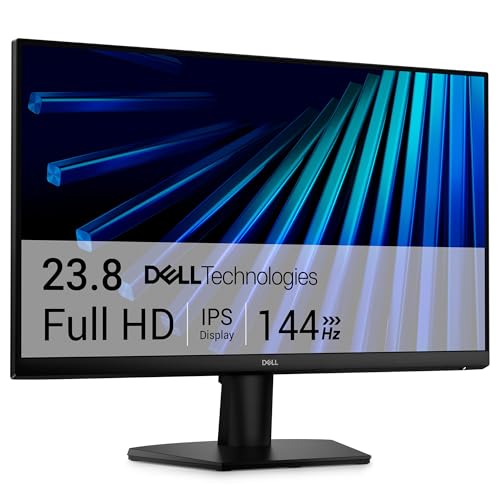
If you have ever watched a monitor make a fast-moving game or action scene look mushy, the Dell SE2426H is a breath of fresh air. A 144Hz refresh rate and 1ms MPRT give it a noticeably quicker feel than the average budget screen, and that extra speed shows up everywhere from scrolling to gameplay to rapid tab switching. The IPS panel keeps colors steady while the refresh rate does the heavy lifting, so this is one of those rare affordable displays that manages to feel lively without going overboard.
Dell also gets the practical stuff right. The thin bezels make it an appealing choice for side-by-side setups, and the TÜV eye comfort certification is reassuring if your monitor time stretches into the evening. A lot of shoppers buying refurbished monitors are trying to do more with less, and this model makes a strong case for being the “less” that still feels quite capable. One monitor for classwork during the day and a few rounds of gaming at night? That is the vibe here. It has enough speed to keep the fun moving and enough polish to avoid feeling flimsy.
Pros
- 144Hz refresh rate makes motion fluid and responsive.
- IPS technology supports consistent color and wide viewing angles.
- 1ms MPRT helps with cleaner action in games and video.
- Thin bezels are ideal for multi-monitor setups.
- Eye comfort certification adds peace of mind for long sessions.
Cons
- Tilt-only stand keeps the ergonomics basic.
- Not as large or immersive as some gaming-focused alternatives.
- Best gains show up in motion-heavy use, less so in static office work.
This one suits buyers who want an affordable monitor that can keep pace with fast content and still serve as a daily work display. It feels especially appealing for mixed use, where a little gaming performance matters but you do not want to buy a dedicated gaming monitor with a bigger footprint and a bigger bill. If speed is high on your list, this Dell earns its spot.
To buy this product, click here.
4. Best Budget Gaming Pick: Sceptre New 22-Inch Gaming Monitor

Sceptre has a habit of making the budget lane feel a little less dreary, and this 22-inch model keeps that tradition going. It is compact, quick, and loaded with enough gaming-friendly detail to matter if you are working with a smaller desk or a tighter budget. The promise of up to 144Hz is the headline feature, but the real draw is how practical the whole setup feels. Built-in speakers cut down on cable clutter, the bezel-light design helps the screen disappear a bit, and the size is friendly for dorms, small apartments, and desks where every inch has to earn its keep.
It is easy to imagine this monitor in a handful of real-world scenes. A student on a compact desk with a laptop, a console gamer looking for a tidy second screen, or someone building a basic home setup without wanting to spend all weekend sorting gear. The blue-light reduction is also welcome for late-night use, especially if you are the type to glance up from work and realize the room has gone dark around you. This is not the most refined monitor on the list, but it has energy, convenience, and a straightforward value story that is hard to ignore.
Pros
- Up to 144Hz refresh rate is excellent for the price.
- Built-in speakers reduce the need for separate audio gear.
- Compact 22-inch size suits small desks well.
- Minimal bezel design helps it look cleaner than many budget displays.
- Blue-Light Shift support is useful for night use.
Cons
- Smaller screen size may feel cramped for multitasking.
- Speakers are convenient, but unlikely to replace a good external set.
- Budget build means fewer premium comforts and adjustments.
This is the pick for shoppers who care more about performance per dollar than about fancy extras. It works best as a starter gaming monitor, a small second display, or a straightforward everyday screen that keeps the desk light and lean. If you want the cheapest route to a quick-feeling monitor and can live with a compact panel, this Sceptre gets the job done with surprising confidence.
To buy this product, click here.
5. Best Refurbished Office Monitor: Dell P2419H Renewed

The Dell P2419H feels like the classic office monitor that has already survived a thousand calendar invites and somehow still looks composed. That is a compliment. It is built around practicality first, with a thin profile, a small base, and a three-sided ultrathin bezel that makes it easy to place on a crowded desk or pair with a second screen. For refurbished-monitor shoppers, this is the kind of model that makes sense if you want a business-style setup without chasing the latest flashy panel.
Its appeal is not about speed or gaming flair. It is about daily comfort and workspace efficiency. The IPS panel helps keep colors stable while you lean, shift, and settle through long work blocks, and the Comfort View feature is a nice touch for long hours in front of email threads, documents, and browser tabs that seem to multiply overnight. I like this one for people who have had enough of monitors that look good in photos but feel awkward in real life. The Dell P2419H is the opposite. It behaves, stays out of the way, and quietly makes the desk better.
Pros
- Compact stand and thin profile save desk space.
- IPS panel offers stable color from different angles.
- Ultrathin bezels are great for multi-monitor setups.
- Comfort View helps reduce blue light during long sessions.
- USB ports add practical convenience for office use.
Cons
- Refurbished condition can vary by seller and unit.
- Not aimed at gaming or high-refresh needs.
- Plain design may feel too conservative for some buyers.
This is a strong pick for office workers, home-based professionals, and anyone who wants a dependable desk monitor with a mature feel. It is especially attractive if you are building a two-screen setup and want matching bezels that do not make the arrangement look messy. If you care about ergonomics, clarity, and a clean work surface more than headline-grabbing specs, this Dell is a very sensible place to land.
To buy this product, click here.
6. Best Small Desk Option: Samsung 22″ S30GD Essential Monitor

Some desks are just small. That is life. This Samsung 22-inch model gets that reality and works with it. The footprint stays tidy, the design stays slim, and the IPS panel keeps the image from feeling second-rate just because the screen is smaller. A 100Hz refresh rate gives the monitor a more modern rhythm, which is a pleasant bonus if your day involves a mix of documents, video, and the occasional game or streaming break between meetings.
This is the sort of monitor that fits into the background until you notice how much easier it makes the setup. A student in a narrow dorm room, a remote worker with a shallow desk, or someone building a compact editing station all get a display that feels practical rather than cramped. The modern borderless look helps it seem bigger than it is, which is useful because no one wants a tiny monitor to feel like a tiny compromise. It is modest, but it is not dull, and that matters more than people think.
Pros
- Compact 22-inch size is great for small desks.
- IPS panel keeps the image bright and consistent.
- 100Hz refresh rate adds smoothness for everyday use.
- Eye care features help during long work sessions.
- Slim design looks modern and light on the desk.
Cons
- Smaller screen is less ideal for heavy multitasking.
- Tilt-only stand limits ergonomic flexibility.
- Not the best choice for immersive gaming or big creative timelines.
If your setup is cramped and you want a screen that does not hog space, this Samsung is very easy to like. It fits the everyday buyer who needs reliable performance, clean visuals, and a monitor that will not dominate the room. It is not trying to be the loudest option on the shelf. It is trying to be useful, and that is often the wiser move.
To buy this product, click here.
7. Best Starter Monitor: Philips 221V8LB 22 Inch Monitor

This Philips is the kind of monitor that earns trust by keeping things straightforward. The 21.5-inch viewable panel is small enough to fit comfortably in basic spaces, yet the 100Hz refresh rate and Adaptive-Sync support give it more life than a plain office panel. It is a nice fit for buyers who want their first refurbished monitor to feel current without getting weird or complicated. The VA panel adds stronger contrast, which gives videos and casual gaming a little more depth than you might expect at this level.
I can picture this one on a student desk beside a stack of notebooks, or in a second room where someone wants a reliable screen for streaming, homework, and general browsing. The 4-year advance replacement warranty is a welcome confidence boost too, especially if you are nervous about buying refurbished gear for the first time. That kind of support matters when your monitor is something you will use every single day. It does not have the widest feature set, but it does have a pleasingly calm, no-nonsense personality.
Pros
- 100Hz refresh rate keeps motion smoother than basic 60Hz screens.
- Adaptive-Sync reduces tearing for casual gaming and video.
- VA contrast gives darker blacks and richer image depth.
- Compact size fits well in starter setups and secondary stations.
- Long replacement warranty adds reassurance.
Cons
- Smaller display may feel tight for productivity-heavy users.
- Not the most feature-rich option for advanced buyers.
- VA viewing behavior may feel less uniform than IPS at some angles.
This is a good fit for first-time refurb buyers, students, and anyone who just wants a dependable screen without a lot of fiddling. It is especially sensible if the monitor is for light daily use and you value peace of mind along with decent image quality. If you want simple, stable, and easy to live with, this Philips makes a solid starting point.
To buy this product, click here.
8. Best Premium Gaming Choice: Samsung 32″ Odyssey G5 Renewed

The Odyssey G5 is the one on this list that leans hardest into full-on immersion. A 32-inch curved QHD panel changes the mood of a desk fast. You sit down, fire up a game, and the display wraps around your field of view in a way that flat budget monitors simply cannot match. The 165Hz refresh rate and 1ms response time bring real speed to the party too, which means the monitor is doing two jobs at once, creating a bigger sense of place and keeping motion sharp enough for competitive play.
It is easy to imagine this monitor being the centerpiece of a serious gaming setup, especially for someone upgrading from a smaller office display. HDR10 support adds extra punch in scenes with light and shadow, while FreeSync helps keep everything smooth when frames start moving quickly. The catch is that this is a premium-shaped purchase, even as a refurb. It needs space, it deserves a strong graphics card, and it makes more sense for buyers who care deeply about gaming feel than for someone who simply wants an email-and-browser machine. That said, if your desk can handle it, the payoff is big.
Pros
- Large 32-inch curved screen feels immersive.
- QHD resolution offers sharper detail than Full HD.
- 165Hz refresh rate and 1ms response time support fast gameplay.
- FreeSync helps reduce tearing and stutter.
- HDR10 and Eye Saver features improve the experience for long sessions.
Cons
- Needs more desk space than smaller monitors.
- Best paired with a capable PC or console setup.
- Overkill for basic office work and casual browsing.
This is the refurb to choose if you want a monitor that still feels exciting every time it powers on. It fits gamers who value size, speed, and immersion, and it will especially please anyone moving up from a smaller 1080p panel. If your priority is pure desk practicality, skip it. If your priority is getting pulled into the game, this is the flashy one that makes the room feel different.
To buy this product, click here.
9. Best Large Budget Display: Acer KB272 27 Inch Monitor

The Acer KB272 is the sort of monitor that makes a desk feel more open simply by being bigger. A 27-inch IPS screen gives you plenty of room for windows, documents, and side-by-side browsing, which is handy if you hate feeling boxed in by smaller panels. The up to 120Hz refresh rate gives the display a smoother feel than the old-school office standard, and the 99% sRGB coverage is a good sign for anyone who wants more dependable color than the cheapest no-name option on the shelf.
There is a very practical charm to this model. It is big enough for comfortable multitasking, bright enough for everyday use, and quick enough to feel responsive without demanding a premium budget. Picture it in a home office where one side of the screen carries a spreadsheet while the other side handles email, or in a casual gaming corner where the goal is smooth action without a giant curved panel swallowing the desk. That is where this Acer makes the most sense. It gives you room to breathe, and sometimes that is the nicest upgrade of all.
Pros
- 27-inch screen offers generous workspace.
- IPS panel supports better color consistency.
- Up to 120Hz refresh rate feels smoother than standard displays.
- 99% sRGB is useful for more color-sensitive everyday work.
- Adaptive-Sync support helps with tear-free motion.
Cons
- Full HD on 27 inches is less sharp than higher-resolution alternatives.
- Tilt-only stand keeps adjustment options limited.
- Best for general use, not high-end creative work.
This monitor is a strong fit for buyers who want a bigger screen without jumping to a pricey QHD or 4K refurb. It is especially appealing if your daily routine involves a lot of multitasking and you want the extra room more than pixel-density bragging rights. If you like a roomy display that stays friendly to the budget, the Acer KB272 is a very easy screen to live with.
To buy this product, click here.
How To Choose The Right Best Refurbished Monitors
Screen Size And Desk Space
Size changes the whole feel of a monitor setup. A 22-inch screen works beautifully on a tight desk, while 24 inches is the sweet spot for most people who want balance. A 27-inch panel gives more room for windows and multitasking, but it asks for more depth and a little more visual distance. One common mistake is buying a big monitor because it sounds better, then realizing the desk is cramped and the screen feels too close to the eyes.
Think about the chair, the keyboard, the lamp, and the space behind the stand too. A monitor that looks great in a product photo can feel awkward once it lands next to a laptop stand, speakers, and a stack of notebooks. If your desk already feels busy, a smaller monitor with thin bezels often looks and works better than a huge screen that dominates everything.
Panel Type And Image Feel
IPS panels usually give better viewing angles and more consistent color across the screen, which is handy for shared viewing, office work, and everyday use. VA panels often bring deeper blacks and stronger contrast, which can make movies and evening browsing feel richer. A lot of buyers overlook this and focus only on size or refresh rate, then wonder why one monitor feels lively and another feels flat.
If you work with color, even casually, IPS is often the safer bet. If you mostly read, browse, and watch content, VA can be a very pleasing choice, especially in a refurbished monitor where value matters. There is no universal winner, only the panel that fits your habits best.
Refresh Rate And Motion Smoothness
Refurbished monitors often tempt buyers into assuming any screen will do the job. That is where refresh rate sneaks in and changes the experience. A 60Hz display is fine for basic office use, but 100Hz or 144Hz feels more fluid during scrolling, gaming, and fast video motion. If your eyes spend a lot of time tracking movement, the upgrade can feel surprisingly nice.
A common buying mistake is overpaying for a high refresh rate when the rest of the setup cannot really use it. If you mostly write documents and answer email, a modest 100Hz screen is probably enough. If you play fast games or hate stutter, 144Hz or above starts to make sense very quickly.
Ports And Device Compatibility
HDMI is the easy default, but some refurbs also include DisplayPort, VGA, or USB ports that can make setup much smoother. The right choice depends on what you are connecting. A desktop tower, a laptop dock, a console, or an older work PC may each prefer a different port arrangement. Buying a monitor with the wrong mix can lead to annoying adapter hunting later.
Check the rest of your gear before you click buy. A monitor with a great screen but no easy connection path can turn a quick setup into a weekend project. That is especially true for refurbished units, where the model may be older but still excellent if the ports match your hardware.
Ergonomics And Everyday Comfort
A decent stand can matter more than people expect. Tilt adjustment helps a bit, but height, swivel, and pivot options make long sessions much easier on the neck and shoulders. Refurbished office monitors often shine here, since business models tend to have sturdier stands than entry-level consumer screens.
Picture two people using the same monitor. One has it at the right height and never thinks about it. The other spends the day hunching forward and fiddling with a stack of books under the base. That is the difference good ergonomics makes. If your setup involves long workdays, comfort should sit near the top of the list.
Condition, Warranty, And Refurb Quality
Refurbished does not mean risky by default, but it does mean you should care about the seller and the warranty terms. Some units are simply open-box returns, while others have been cleaned, tested, and repackaged after more significant use. A strong warranty or replacement policy can make the purchase feel much safer, especially if the monitor will be your daily driver.
Do not get hypnotized by the discount alone. A monitor that arrives with a tired stand, spotty backlight, or scratches in the wrong places is not a bargain. The best refurbished buy is one that feels dependable the moment you plug it in, and the return policy should give you room to breathe if it does not.
Match The Monitor To Your Main Use
People shop for monitors with very different goals, and that is why the “best” choice changes so much. A spreadsheet-heavy worker wants a calm, clear screen with good text handling. A gamer wants motion clarity and a faster refresh rate. A casual media watcher may care most about contrast and size. Buying the wrong type is easy if you chase features that sound exciting but never affect your routine.
The safest approach is simple. Start with the thing you do most, then build outward. If that activity feels smooth, comfortable, and easy to see, the rest tends to fall into place with far less regret.
Best Refurbished Monitors FAQ
Is A Refurbished Monitor Worth Buying?
Yes, if you buy from a trustworthy seller and choose a model with a solid warranty or return policy. Refurbished monitors can deliver excellent value because the panel technology is often the same as a newer model, but the price is lower. The key is checking condition details, port compatibility, and whether the screen fits your real use.
What Is The Best Screen Size For A Refurbished Monitor?
For most buyers, 24 inches is the easiest all-around choice. It gives enough room for work and media without swallowing desk space. A 22-inch monitor works well in compact setups, while 27 inches is better for multitasking if you have the space for it. Bigger is not automatically better if your desk is small.
Should I Choose IPS Or VA For A Refurbished Monitor?
IPS is usually better for consistent color and wider viewing angles. VA often gives deeper blacks and stronger contrast. If you work with documents, design, or shared viewing, IPS is often the safer pick. If you watch a lot of movies or want richer dark scenes, VA can be very appealing.
How Important Is Refresh Rate On A Refurbished Monitor?
Pretty important if you play games or dislike motion blur. A 100Hz monitor feels smoother than a standard 60Hz screen, and 144Hz or higher is better for faster movement. For basic office work, you may not need a huge refresh rate, but it still makes scrolling and general use feel more fluid.
What Should I Check Before Buying Refurbished?
Look at the seller reputation, the warranty length, the connection ports, and the stand features. Also check whether the model is truly refurbished, open-box, or renewed, because those labels can mean different things. A good listing should be clear about condition and return coverage.
Can A Refurbished Monitor Be Good For Gaming?
Absolutely. A refurbished monitor with a high refresh rate, decent response time, and adaptive sync can be a strong gaming pick. The trick is matching the monitor to the kind of games you play. Fast shooters and racing games benefit more from speed, while slower games can look great on a larger screen with strong contrast.
Is A Warranty Important For Refurbished Monitors?
Yes, very. A warranty or advance replacement policy can take a lot of stress out of the purchase. It is especially useful with refurbished electronics because it gives you a backup if the screen arrives with issues or develops problems early. A good warranty often separates a smart buy from a risky one.
Do Refurbished Monitors Come With Missing Accessories?
Sometimes they do, depending on the seller and the refurb process. Some include the essentials, while others may arrive with a different stand, fewer cables, or minimal packaging. Always check the product listing closely so you know what is included and what you may need to buy separately.
Final Verdict
The Philips 24 Inch 100Hz Computer Monitor is the easiest overall recommendation because it hits the sweet spot of price, size, smoothness, and everyday usefulness. It feels friendly for work, good enough for media, and flexible enough for most buyers who want a refurbished display without too many compromises. If you want an IPS option with a clean modern look, the Samsung 24" S30GD is a strong alternative, while the Dell SE2426H stands out if motion speed matters more than anything else. For bargain hunters, the Sceptre 22-Inch Gaming Monitor brings an energetic spec sheet for very little desk space.
The smartest way to shop refurbished monitors is to match the screen to your habits, then check the refurb details with a skeptical eye. A small office setup and a gaming corner need very different things, and a monitor that looks perfect on paper can feel off in real life if the stand, ports, or panel type do not fit your routine. Pick the one that suits your desk, your eyes, and your daily workload. That is the route that usually leads to the happiest purchase, and it is why this nine-monitor lineup covers such a wide spread of needs.