Best Refurbished Gaming Laptops: 9 Top Picks in 2026
Refurbished gaming laptops have a sweet spot that brand-new machines often miss. You can stretch your budget a lot farther, land stronger graphics hardware, and still end up with a machine that chews through modern games without feeling flimsy or tired. The catch is that the refurbished market rewards careful shoppers and punishes casual ones. A tempting listing with a big GPU name can still disappoint if the screen is dull, the cooling is weak, or the battery and keyboard feel like afterthoughts. That is why buyers searching for best refurbished gaming laptops usually want more than a spec sheet. They want a machine that still feels fast on a messy weeknight, stays cool through a long match, and does not make them regret saving a few bucks.
The biggest mistake is chasing the highest number on the box and forgetting the parts you touch every day. A fast processor cannot save a cramped keyboard. A strong graphics chip means little if the display looks washed out or the fans sound like a hair dryer at midnight. Refurbished gaming laptops also vary widely in condition, so power, thermals, storage, upgrade room, and seller confidence matter just as much as raw performance. Some buyers want the best value possible for 1080p gaming, while others want a roomy screen, a sturdy chassis, or a more polished premium build. The top overall pick here stands out because it balances speed, durability, and a proper gaming panel without drifting into absurd territory.
If you are short on time, the comparison table below gives a quick snapshot of the top picks, and you can jump straight into any review that catches your eye.
Best Refurbished Gaming Laptops Comparison Table
| Product | Best For | Main Strength | Key Specs |
|---|---|---|---|
| ASUS TUF Gaming F16 (2025) | Best Overall | Balanced performance and rugged build | RTX 5050, Core i5-13450HX, 16″ 165Hz |
| ASUS ROG Strix G16 (2025) | Best Premium | Stronger gaming headroom | RTX 5060, Core i7-14650HX, 1TB SSD |
| MSI Thin A15 | Best Lightweight Value | Thin design for travel | RTX 3050, Ryzen 5-7535HS, 15.6″ 144Hz |
| Acer Nitro V | Best Budget Performance | RTX 4050 at a friendlier tier | RTX 4050, Core i5-13420H, 165Hz |
| ASUS TUF Gaming F16 | Best Value Mid-Range | Durable chassis and solid panel | RTX 4050, Core 5 210H, 16″ 144Hz |
| ASUS TUF A18 | Best Big-Screen Pick | Large 18-inch display | RTX 5060, Ryzen 7 260, 1TB SSD |
| MSI Thin 15 (Renewed) | Best Renewed Entry | Simple 144Hz gaming setup | RTX 3050, Core i5-13420H, 16GB RAM |
| Dell Latitude 5410 | Best Ultra-Budget | Low-cost renewed laptop | Core i5-10310U, 16GB RAM, 14″ FHD |
| HP Victus 15 | Best Starter Gaming Laptop | Easygoing first gaming rig | RTX 2050, Ryzen 5 7535HS, 144Hz |
If you want the finer details, the reviews below spell out where each laptop shines, where it cuts corners, and which kind of player it suits best.
1. Best Overall: ASUS TUF Gaming F16 (2025)
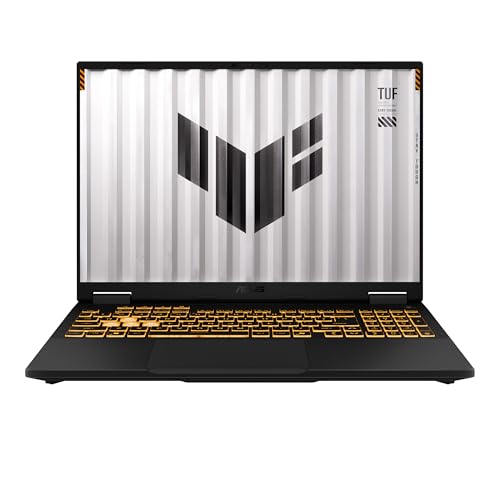
This ASUS TUF Gaming F16 lands in that lovely middle lane where a lot of buyers actually live. It feels built for real gaming habits, the long evening session after work, the quick single-player detour before bed, the weekend where you bounce from Discord to a match to a YouTube walkthrough and back again. The Core i5-13450HX has enough muscle to keep the system lively, and the RTX 5050 gives it a meaningful edge over older entry-level cards that can feel a little breathless in newer games. The 16-inch 165Hz display adds that crisp, quick feel that makes mouse movement and camera pans look clean instead of sticky.
What helps this model stand out is the TUF formula itself. The chassis has a tougher, more grounded vibe than flashy plastic gaming rigs, and the MIL-STD-810H testing gives it a reassuringly sturdy personality. That matters more than people think. A gaming laptop lives a rough life. It gets shoved into backpacks, used on uneven desks, and overheats on blankets more often than its owners admit. With the F16, the cooling system and 115W GPU tuning suggest it was built to keep pace without sounding fragile. For shoppers who want one laptop to cover gaming, streaming, and everyday work without feeling over-specialized, this one hits a very comfortable stride.
Pros
- Strong all-around performance for 1080p and 1200p gaming
- 165Hz display makes movement feel smooth and responsive
- Military-grade durability adds peace of mind for travel and daily carry
- Cooling setup is well suited to longer sessions
- 16GB DDR5 and a Gen 4 SSD make the system feel snappy
Cons
- 512GB storage can feel tight once a few large games are installed
- Not the cheapest path into modern gaming performance
- RTX 5050 is capable, but serious enthusiasts may want more GPU headroom
The TUF Gaming F16 is the kind of laptop that makes sense for a buyer who wants fewer compromises and fewer surprises. It is a safe pick for students, commuters, and players who want a machine that can handle both work tabs and game launches without drama. If you are chasing the absolute lowest entry price, there are cheaper options below. If you want the best blend of durability, display quality, and current-gen gaming muscle, this is the one that feels easiest to recommend.
To buy this product, click here.
2. Best Premium: ASUS ROG Strix G16 (2025)
The ROG Strix G16 is the laptop that walks into the room wearing neon shoes and somehow still looks expensive in the right way. It is more ambitious than the TUF line, and you can feel that in the hardware. The Core i7-14650HX and RTX 5060 give it extra breathing room for tougher games, heavier multitasking, and the kind of usage where a laptop gets asked to game, record, stream, and keep a dozen browser tabs alive at once. The 1TB SSD is a welcome upgrade too. It is the sort of storage size that prevents the annoying ritual of deleting a game every other week.
Its screen is a big part of the appeal. The 16-inch 165Hz panel with 3ms response time and anti-glare treatment is exactly the kind of setup that makes fast shooters and hectic action games feel less smeared and more alive. The cooling story is equally serious. ASUS is leaning into vapor chamber cooling, tri-fan design, and liquid metal here, which is the sort of engineering detail that tends to matter once a gaming laptop starts running hot and loud in a summer bedroom. It has style too, but the style is backed by substance. For buyers willing to pay more for stronger performance and a more polished gaming experience, this is an easy laptop to admire.
Pros
- RTX 5060 and Core i7 combo delivers excellent gaming headroom
- 1TB SSD is spacious enough for large game libraries
- Fast 165Hz display feels sharp for competitive play
- Advanced cooling should help sustain performance well
- RGB lighting and Stealth Mode give it both flair and restraint
Cons
- Higher cost than mid-range options
- More laptop than some casual gamers truly need
- Design leans flashy if you prefer a quieter look
This is a strong fit for buyers who want a refurbished gaming laptop that feels close to a no-compromise machine. It makes the most sense if you plan to keep your laptop for years, if you want extra performance for bigger titles, or if you also create content and need a little more grunt than entry-level machines can deliver. If you mostly play lighter games, this is probably too much laptop. If you want the premium pick in this group, though, it brings the heat.
To buy this product, click here.
3. Best Lightweight Value: MSI Thin A15

The MSI Thin A15 makes a strong case for people who want gaming power without feeling like they are hauling a small suitcase around campus. That thin-and-light shape matters in daily life. Picture a backpack packed with books, a charger, a water bottle, and a laptop you actually do not hate carrying. That is the A15’s lane. The Ryzen 5-7535HS and RTX 3050 are not headline-grabbing parts in 2026, but they still handle popular games well, especially if your target is smooth 1080p play rather than maxed-out ray tracing. The 144Hz panel helps the whole experience feel fast enough that the system does not seem stuck in the past.
What keeps this model appealing is the balance of portability and practicality. MSI includes 16GB of DDR5 memory, a 512GB SSD, Cooler Boost thermal support, and useful modern connectivity like Wi-Fi 6E and USB-C. That makes it feel more versatile than many older budget gaming laptops that only looked gaming-ready on the outside. It is a laptop for the person who might game in a dorm one night, then carry it to a lecture, then use it for streaming and general work the next day. It is not the loudest performer in this list, but it may be one of the easiest to live with.
Pros
- Thin, travel-friendly design is easy to carry
- 144Hz display keeps motion smooth for everyday gaming
- DDR5 memory and SSD help the system feel responsive
- Good fit for school, commuting, and lighter gaming sessions
- Cooling setup is built for longer use than many slim budget laptops
Cons
- RTX 3050 is modest by current gaming standards
- Not ideal for demanding AAA games at high settings
- 512GB storage fills up quickly if you keep many large installs
The Thin A15 suits practical buyers who care about weight and mobility as much as frame rates. If you are often on the move and your games live in the mainstream lane, this laptop offers a sensible way to keep the bag light. If you want stronger graphics for newer blockbusters, one of the RTX 4050 or RTX 5060 models above will age better. Still, for everyday convenience, this MSI has a quiet charm that is hard to ignore.
To buy this product, click here.
4. Best Budget Performance: Acer Nitro V
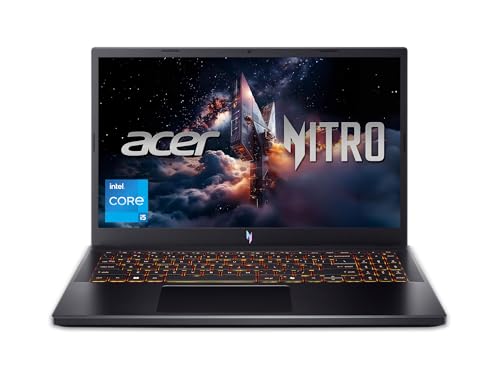
The Acer Nitro V is the sort of laptop that makes budget-minded shoppers sit up a little straighter. It brings an RTX 4050 to a more approachable tier, and that alone gives it a serious advantage over older RTX 3050 systems. If you have ever watched a game stutter on a lesser machine while your friends are already sprinting ahead, you know why this matters. The Core i5-13420H adds enough processor strength for gaming, recording, light editing, and the usual pile of tabs and apps most people keep open all the time. For a lot of players, that is the sweet spot.
Its 15.6-inch 165Hz screen is a smart companion to the hardware. It gives shooters a cleaner feel and helps fast-paced movement look less muddy. Acer also leans into practical extras such as Thunderbolt 4, Wi-Fi 6, and a chassis that can be expanded up to 32GB of memory, which is handy if you buy refurbished and want to breathe new life into the system later. The caveat is that the stock 8GB RAM configuration is a little spartan for a gaming laptop today. That is the one detail that keeps this machine from being a slam dunk. Still, if you plan a quick RAM upgrade, the Nitro V becomes much easier to like.
Pros
- RTX 4050 delivers strong value for modern 1080p gaming
- 165Hz display feels responsive and smooth
- Upgrade-friendly memory ceiling is useful for future-proofing
- Thunderbolt 4 adds flexibility for docking and peripherals
- Good fit for gaming and creator work at the same time
Cons
- 8GB RAM is too lean for comfortable long-term use
- 512GB SSD may feel cramped for larger libraries
- Less refined than higher-tier ASUS ROG or TUF alternatives
This is the pick for shoppers who want a cheaper route to noticeably better gaming hardware and do not mind a small upgrade project. If you are happy adding memory soon after purchase, the Nitro V can punch above its price band. If you want a laptop that feels ready out of the box with fewer compromises, the TUF F16 and ROG Strix G16 are smoother buys. The Nitro V is about value, and it says that loudly.
To buy this product, click here.
5. Best Value Mid-Range: ASUS TUF Gaming F16

This TUF Gaming F16 feels like the practical older sibling to the top pick. It keeps the same durable, no-nonsense personality that TUF laptops are known for, then pairs it with an RTX 4050 and the Core 5 210H. That combination is enough to make modern games feel playable and fluid without pushing the laptop into expensive territory. The 16-inch 144Hz panel is a nice fit here too. It is quick enough for competitive play and roomy enough that browsing, coursework, and streaming do not feel cramped after a long session.
The real strength of this machine is the way it trims away the fluff. You get 16GB of DDR5 memory, a Gen 4 SSD, Advanced Optimus support, solid cooling hardware, and a body that is rated for MIL-STD-810H testing. That gives the whole thing a durable, road-tested flavor that makes sense for students and commuters. It is the kind of laptop you can throw into a backpack, haul between classes, and still boot up for a game without treating it like a delicate ornament. The design is subtle too, which helps if you dislike gaming laptops that scream for attention.
Pros
- Good mid-range performance for 1080p gaming
- Durable chassis suits travel and everyday handling
- 144Hz 16:10 display improves both games and general use
- Cooling setup is thoughtful and low-drama
- Balanced feature set without paying premium ROG money
Cons
- RTX 4050 is solid, but not a top-tier chip
- 512GB SSD may require careful game management
- Core 5 210H is fine, though less muscular than HX-class chips
Buy this if you want a sturdy, sensible gaming laptop that keeps the budget in check while still feeling modern. It is a smart compromise for buyers who care more about value and toughness than flashy extras. If you are comparing it with the Nitro V, the choice comes down to design, thermal approach, and which brand’s feel you trust more. This ASUS has a very easygoing, dependable rhythm that makes everyday use feel comfortable.
To buy this product, click here.
6. Best Big-Screen Pick: ASUS TUF A18

The TUF A18 is the kind of laptop that makes you grin the first time a game fills that massive 18-inch panel. Big screens change the feel of everything. Inventory menus are easier to read, battlefield details are easier to track, and split-screen multitasking stops feeling like a squinting contest. This model couples that roomy display with a Ryzen 7 260 and RTX 5060, which means it is not just about size. It has real muscle underneath the chassis, and that matters because a large laptop that runs like a slug is no fun at all.
ASUS also gives this machine the familiar TUF durability angle, plus a 1TB SSD and 16GB of DDR5 memory, which makes it feel ready for a serious library of games and apps right away. The display specs are especially appealing if you spend long stretches playing RPGs, simulators, strategy games, or anything that benefits from a wide, immersive view. The tradeoff is plain enough. This is less of a lap-friendly, cafe-friendly device and more of a desk-bound portable powerhouse. If you want a laptop that behaves like a compact desktop replacement, this one has a lot of charm. If you want something easy to lug around all day, maybe not so much.
Pros
- Huge 18-inch display feels immersive and roomy
- RTX 5060 brings strong modern gaming performance
- 1TB SSD gives generous storage from day one
- Good choice for long sessions at a desk
- High refresh rate and G-Sync support help smooth gameplay
Cons
- Large chassis is less portable than 15- or 16-inch models
- More expensive than smaller alternatives
- May be overkill for buyers who only play casually
This one is for the player who wants a laptop to feel more like a portable battlestation than a traveling companion. It makes a ton of sense for desk use, and it is especially attractive if you value screen space over compact dimensions. If portability matters most, skip ahead. If immersion matters most, this big ASUS has a real argument.
To buy this product, click here.
7. Best Renewed Entry: MSI Thin 15 (Renewed)

The renewed MSI Thin 15 lands in a very specific lane. It is not trying to be flashy, and it is not pretending to beat newer RTX 4050 or 5060 systems. What it does offer is a familiar, functional gaming setup at a lower entry point, with a Core i5-13420H, RTX 3050, 16GB of RAM, and a 144Hz display. That is enough for a lot of mainstream games, especially if you are content playing at balanced settings rather than chasing every graphical slider to the ceiling.
Renewed laptops can be a smart move if you want to stretch your budget, but they demand a little more buyer discipline. The payoff here is that you get a reasonably modern spec sheet without jumping to a fresh-unit price bracket. The Thin 15 form factor also keeps things manageable for daily use. It has a straightforward port selection, a practical 512GB SSD, and Cooler Boost 5 to help the machine stay stable during longer sessions. It feels like the sort of laptop you buy because you want to play without making a huge financial commitment, and that is a perfectly valid reason to shop refurbished.
Pros
- Lower-cost route into gaming laptop ownership
- 144Hz screen keeps casual gaming feeling smooth
- 16GB RAM is a strong baseline for a renewed unit
- Good everyday performance for esports and lighter AAA play
- Useful port layout for external displays and peripherals
Cons
- RTX 3050 is aging compared with newer GPUs
- Renewed condition means buyers should pay attention to seller details
- 512GB storage is modest for a game-heavy library
Choose this if your goal is simple and practical: keep costs down, get a usable gaming machine, and accept that it is more entry-level than elite. It suits first-time gaming laptop buyers well, especially if they mainly play esports, indies, or a handful of big titles on reasonable settings. If you want more long-term headroom, the RTX 4050 and RTX 5060 options are worth the extra stretch.
To buy this product, click here.
8. Best Ultra-Budget: Dell Latitude 5410

The Dell Latitude 5410 is an unusual pick in a gaming roundup, but it deserves a place because some buyers are really shopping for the cheapest possible way into a machine that can handle lighter gaming and everyday use. This is a business laptop first, so the vibe is calmer, sturdier, and more office-friendly than a typical gaming rig. The 10th-gen Core i5 and 16GB of RAM give it enough breathing room for daily tasks, and the 14-inch FHD screen keeps it compact. If you mostly want something for cloud gaming, older titles, indie games, or basic PC use with a gaming side quest, it can make sense.
The big appeal here is value. A renewed Latitude tends to offer a lot of practical hardware for the money, and Dell’s business chassis usually holds up better than bargain-bin consumer machines with thin shells and mushy keyboards. That matters if you are buying on a tighter budget and need reliability more than graphics firepower. The tradeoff is obvious: this is not a true gaming laptop, and the integrated-class gaming experience will not satisfy anyone trying to run modern demanding games at high settings. Still, for a student, a work-first user, or someone testing the waters before spending more, it is a clever low-cost foothold.
Pros
- Very affordable entry point compared with gaming laptops
- Business-grade build often feels sturdier than cheap consumer models
- 16GB RAM and 512GB SSD make it usable for daily work
- Compact 14-inch size is easy to carry
- Good option for light games, cloud gaming, and general use
Cons
- Not a real gaming machine for modern demanding titles
- Older processor limits gaming ambitions
- Smaller display is less immersive for play
This is the pick for the ultra-budget shopper who can compromise on gaming power but still wants a dependable machine. If your game time is mostly light, occasional, or cloud-based, it can be a smart bargain. If you want local performance for newer AAA releases, keep moving. This one is about frugality and flexibility, not frame-rate bragging rights.
To buy this product, click here.
9. Best Starter Gaming Laptop: HP Victus 15

The HP Victus 15 is a friendly, approachable way to get into PC gaming without making the machine feel intimidating. That matters for first-time buyers. Some gaming laptops can look like they are auditioning for a sci-fi prop department, but the Victus keeps things more measured. The Ryzen 5 7535HS gives it enough snap for daily work and gaming, while the RTX 2050 handles entry-level gaming in a straightforward, no-drama way. The 144Hz display is a nice bonus, especially for esports and lighter titles where smoothness matters more than raw graphical muscle.
This model feels especially appealing for someone who wants a sensible starter machine for school, casual gaming, and everyday use. It includes 16GB of DDR5 memory, a 512GB SSD, Wi-Fi 6, a backlit keyboard, and the familiar HP layout that tends to be easy to live with. The performance ceiling is lower than the RTX 4050 and RTX 5060 laptops in this roundup, but the Victus compensates with a practical layout and a more approachable feel. It is the laptop you hand to someone who wants to play, learn, and browse without needing a tutorial on the hardware first.
Pros
- Friendly entry point for new gaming laptop buyers
- 16GB DDR5 memory is a strong base for the class
- 144Hz screen improves the feel of lighter games
- Good everyday usability for work and study too
- Backlit keyboard and useful port mix add convenience
Cons
- RTX 2050 is the weakest gaming GPU in this roundup
- Not ideal for demanding modern titles at high settings
- 512GB storage fills up quickly with larger games
The Victus 15 is a smart buy for someone entering the gaming laptop space and wanting something simple, familiar, and relatively forgiving. If you mainly play esports games, indies, or older favorites, it can feel perfectly adequate. If you already know you want stronger graphics for the long haul, step up to the Nitro V or either ASUS TUF option. This HP is about getting started without overcommitting.
To buy this product, click here.
How To Choose The Right Refurbished Gaming Laptop
Match The GPU To The Games You Actually Play
The graphics chip is the heartbeat of a gaming laptop, and refurbished buyers should treat it like the main event. An RTX 5050 or RTX 5060 gives you a lot more room for current games than an RTX 2050 or RTX 3050, especially if you like visually busy titles or want to keep settings higher without stutter creeping in. If you mostly live in esports, indie games, or older back catalogs, you can save money with a weaker GPU. If you want the laptop to stay relevant longer, spend more here and trim back elsewhere.
Do Not Ignore The Screen
Refurbished gaming laptops can look similar on paper and feel wildly different in person because of the panel. A 144Hz or 165Hz display makes motion smoother, and a 16:10 aspect ratio can be a nice bonus for both gaming and everyday browsing. Brightness and color matter too. A laptop with a vivid panel can make a game feel like it was made for you, while a dull screen can flatten the whole experience. If you ever game in a bright room, anti-glare treatment is worth paying attention to.
Look For Enough RAM And Upgrade Room
Eight gigabytes of memory can be too thin for a modern gaming laptop, especially if the machine is refurbished and likely to be used heavily. Sixteen gigabytes is the practical sweet spot for most buyers. Also check whether the laptop has room for future memory or storage upgrades, because refurbished shoppers often want a little insurance. A system that can take a RAM bump later can age gracefully, while a locked-down machine can feel boxed in too early.
Think About Cooling And Chassis Quality
Gaming laptops get loud and warm, and refurbished units need cooling systems that are still up to the job. Big heat pipes, dual fans, vapor chambers, and sturdy vents are all signs that the machine was built to stay composed under pressure. A durable chassis matters too. If you travel, commute, or move your laptop around often, a rugged body can save you from annoying wear and tear. This is where TUF and similar lines often earn their keep.
Storage Fills Up Faster Than People Expect
A 512GB SSD sounds reasonable until a few modern installs chew through it. Games today can be huge, and once you add Windows, apps, updates, and saved files, space shrinks in a hurry. If you know you keep several large games installed at the same time, a 1TB drive can feel like a luxury that quickly becomes a sanity saver. Refurbished laptops with room for a second drive or easy upgrades can be especially smart.
Pay Attention To The Refurbished Condition And Seller Details
The hardware matters, but the refurbishing process matters just as much. Read the condition notes closely, check whether the seller offers a clear return policy, and look for signs that the laptop was properly tested. A refreshed business laptop can be a fantastic bargain, while a gaming model with unclear refurbishing standards can bring hidden headaches. The goal is simple: save money without inviting a repair project into your life.
Choose The Right Size For Your Lifestyle
Fifteen and sixteen inch laptops are easy to carry and still feel immersive enough for gaming. Eighteen inch models bring a glorious display but behave more like desk machines with handles. Fourteen inch machines are better for portability but usually give up gaming power or screen comfort. If you commute daily, size may matter more than peak specs. If the laptop mostly lives on a desk, a larger panel can be a joy every single night.
Best Refurbished Gaming Laptops FAQ
Is A Refurbished Gaming Laptop Worth It?
Yes, if you buy carefully. Refurbished gaming laptops can offer much better performance per dollar than brand-new entry models. The trick is to focus on the seller’s condition notes, return policy, and the machine’s real-world hardware balance. A well-refurbished laptop with a strong GPU and healthy cooling can be a smart purchase.
What GPU Should I Look For In A Refurbished Gaming Laptop?
For most buyers, RTX 4050, RTX 5050, or RTX 5060 class graphics are the most compelling options in this roundup. RTX 3050 and RTX 2050 models can still work for lighter gaming or tighter budgets, but they leave less room for newer, heavier titles. If you want the laptop to age well, buy the strongest GPU your budget can reasonably handle.
How Much RAM Is Enough?
Sixteen gigabytes is the sweet spot. It gives you room for gaming, streaming, chat apps, and browser tabs without the machine feeling overloaded. Eight gigabytes is workable only if you plan to upgrade soon or your use stays very light. For a refurbished gaming laptop, 16GB should be the baseline target whenever possible.
Should I Prioritize A Better GPU Or A Better Screen?
For gaming, the GPU matters first. That said, a weak screen can still spoil the experience, so try to avoid settling for a poor panel just because the internals look good. A strong balance is ideal: decent graphics, a 144Hz or 165Hz display, and enough color quality to keep games looking lively.
Are Renewed Business Laptops Good For Gaming?
They can be useful for very light gaming or cloud gaming, but they are not substitutes for actual gaming machines. A renewed business laptop like the Dell Latitude 5410 may be a budget-friendly general-purpose buy, yet it will not deliver the same graphics performance or cooling as a gaming-focused laptop. Buy one only if your gaming needs are modest.
What Storage Size Makes Sense?
Five hundred twelve gigabytes is acceptable if you keep a lean game library and use cloud storage for other files. If you download a lot of modern games, 1TB is much more comfortable. Refurbished buyers often discover storage limits after the purchase, so it is wise to think about your library habits before you commit.
Should I Buy The Cheapest Option Available?
Only if your expectations are modest. Cheap refurbished gaming laptops can save a lot of money, but older GPUs and smaller drives can turn into frustration if you want to play newer titles. It is usually smarter to spend a little more for a machine that has enough performance to stay satisfying for longer.
Final Verdict
The best refurbished gaming laptops are the ones that still feel fun to use after the novelty wears off, and that is where the ASUS TUF Gaming F16 (2025) takes the crown. It has the right mix of current-gen graphics, sturdy build quality, fast display behavior, and practical cooling. It feels like a laptop you can trust for real daily use, not a fragile bargain that only looks good on a spec page. If you want the strongest premium alternative, the ASUS ROG Strix G16 brings more power and storage, while the Acer Nitro V and ASUS TUF F16 offer smarter mid-range value for buyers watching every dollar.
The best choice still depends on your habits. If portability matters, the MSI Thin A15 makes life easier. If you want a giant screen that turns every game into a small event, the ASUS TUF A18 is a blast. If your budget is tight, the HP Victus 15 and the renewed MSI Thin 15 keep the door open without demanding too much. And if you are shopping at the absolute bottom of the price ladder, the Dell Latitude 5410 is more of a practical fallback than a true gaming machine. Match the laptop to your games, your bag, and your patience level, and the refurbished route can feel less like a compromise and more like a clever win.